



How to determine which storage cabinet is suitable for our company's specific needs?
Publish Time:
2024-12-04
In the daily operations of modern enterprises, storage cabinets are more than just simple storage tools; they play an important role in space utilization, work efficiency, and security. Therefore, choosing the right storage cabinet for a company is a process that requires careful consideration. So, how to determine which Storage Cabinet is suitable for the company's specific needs? The following suggestions can provide a reference for enterprises.
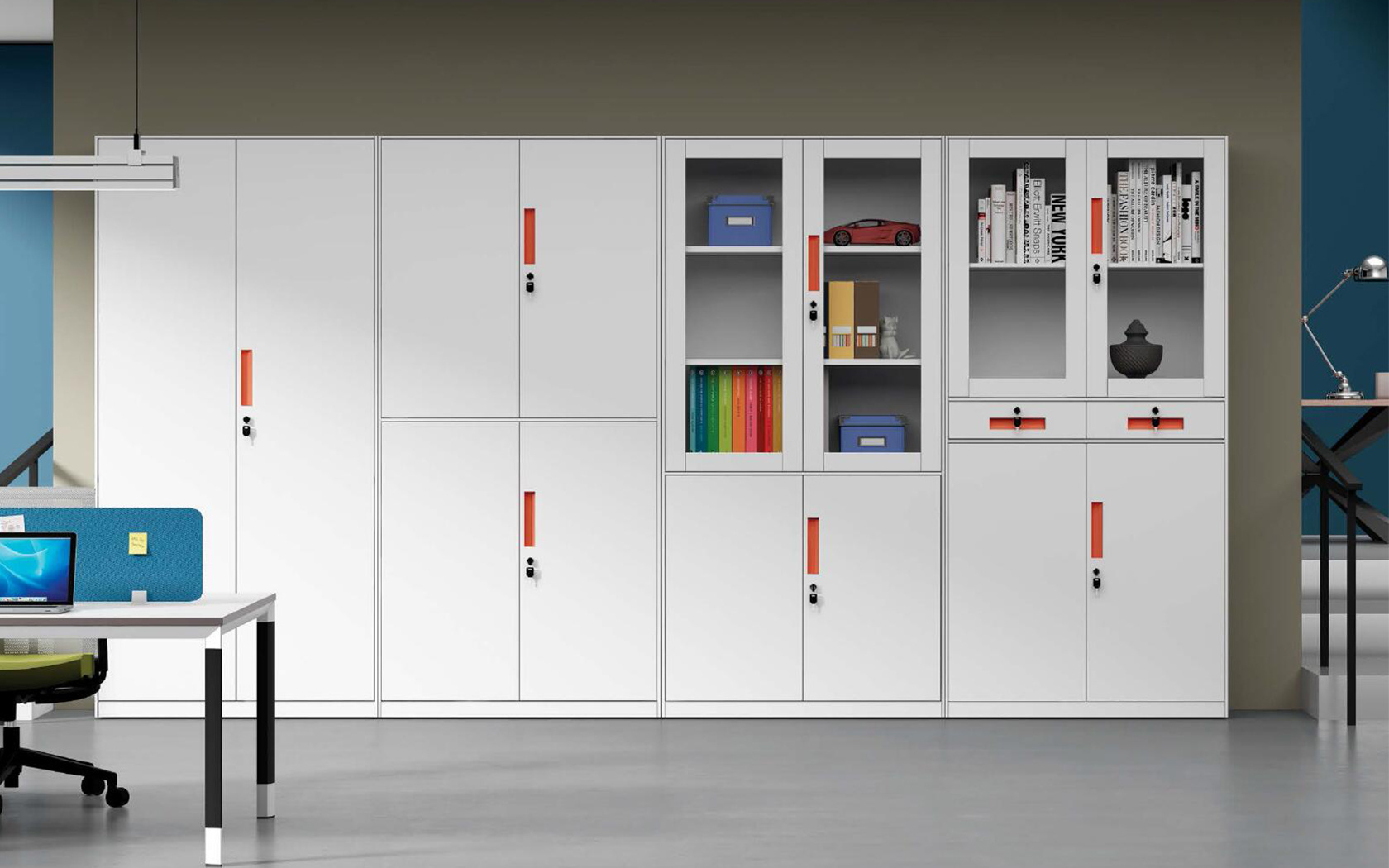
1. Determine Storage Needs
Assessment Content:
Item Type: First, clarify the types of items that need to be stored, such as files, office equipment, personal belongings, or other special items.
Quantity and Volume of Items: Assess the quantity and volume of items to be stored to determine the size and capacity requirements of the storage cabinet.
Access Frequency: Determine the frequency of item use; frequently used items should be placed in easily accessible cabinets.
2. Space and Layout Considerations
Factors to Consider:
Office Space Layout: Measure the available space and consider the optimal placement of the storage cabinet to maximize the use of existing office space.
Cabinet Design: Choose the appropriate type of cabinet according to the shape of the space, such as upright, wall-mounted, or storage cabinets with sliding doors, to provide convenience within the limited space.
3. Functionality and Security
Points to Note:
Security Locks: Consider whether the storage cabinet needs to be equipped with security locks to protect important documents or other valuables.
Fire and Water Resistance: Based on the characteristics of the stored items, determine whether a fire-resistant or waterproof storage cabinet is needed.
Partition Design: Multifunctional partitions or drawers can improve the flexibility of storage space and facilitate classification management.
4. Materials and Durability
Material Selection:
Metal, wood, and plastic: Different materials have their own advantages and disadvantages. For example, metal cabinets are durable and have good fire and moisture resistance, while wooden cabinets are relatively aesthetically pleasing and have a certain degree of adjustability.
Surface Treatment: Examine the surface treatment process of the cabinet, such as coating and rust prevention treatment, to ensure its durability and wear resistance.
5. Aesthetics and Brand Style Consistency
Design Style:
Matching Corporate Style: The appearance of the storage cabinet should be consistent with the company's overall design style and brand image to enhance the company's image and the harmony and beauty of the office environment.
Color and Texture Selection: Choose appropriate colors and materials according to the company's visual system to improve the overall visual effect.
6. Cost and Budget
Economic Considerations:
Budget Range: Choose a storage cabinet within the company's budget while meeting the needs.
Cost-Effectiveness Analysis: Not only focus on price, but also evaluate the service life and long-term maintenance costs of the storage cabinet.
Conclusion
Choosing the right storage cabinet is an important investment for a company in optimizing its office environment. By clarifying storage needs, rationally planning space, focusing on functionality and safety, choosing appropriate materials, maintaining consistency with the corporate style, and strictly controlling the budget, companies can find the storage solution that best meets their specific needs. A storage cabinet that closely matches the company's needs can not only improve the efficiency of item management but also provide employees with a more orderly and safe working environment.


Online Message
*We will contact you as soon as possible after receiving your message!
Friendly Links: