


How do medical furniture customization factories balance aesthetics and practicality in their designs?
Publish Time:
2024-12-02
In medical and elderly care settings, furniture must not only meet practical needs but also possess a certain aesthetic appeal to create a comfortable and pleasant space. Medical and elderly care furniture manufacturers face the challenge of balancing aesthetics and practicality in the design process. This article explores how these manufacturers cleverly achieve this balance in terms of design concepts, material selection, functional implementation, and user feedback.
I. Integration of Design Concepts
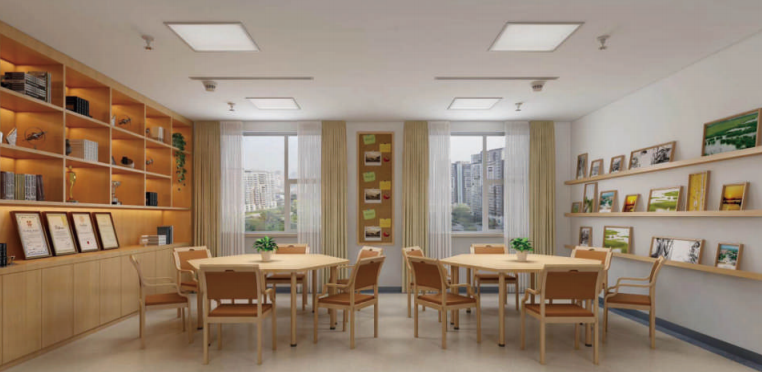
First, the design concept of medical and elderly care furniture must integrate both aesthetics and practicality. Designers usually start from multiple dimensions such as color, shape, and material to create furniture that enhances the visual effect of the space while meeting functional needs. In color selection, designers prefer to use soft, natural tones to create a peaceful and relaxing atmosphere. In shape design, rounded corners and streamlined designs are used to reduce safety hazards and improve the overall visual smoothness.
II. Material Selection Considerations
Material selection directly affects the aesthetics and practicality of furniture. In medical and elderly care furniture design, durable and easy-to-clean materials are essential. Manufacturers typically choose high-quality wood, stainless steel, and environmentally friendly composite materials. These materials are not only strong and durable but can also enhance aesthetics through surface treatments. For example, manufacturers can apply multi-layered paint finishes to wood, highlighting the beauty of the natural texture while providing a protective layer.
III. Functional Innovation
To meet the special needs of the elderly and patients, functionality plays a central role in medical and elderly care furniture. Through innovative design, manufacturers can integrate modern functions such as adjustable height and hidden storage space into traditional furniture, without compromising the overall aesthetic style while enhancing the furniture's practicality. For example, an exquisite sofa can be equipped with a hidden lifting table, allowing users to adjust to a comfortable posture at any time.
IV. Application of Ergonomics
Ergonomics plays an important role in the design of medical and elderly care furniture. Designers must design for the physical characteristics and usage habits of different users to ensure the comfort and practicality of the product. This involves details such as the height of the seat, the angle of the backrest, and the position of the armrests. For example, the design of a seat should consider the needs of the elderly when getting up, so the armrests will be designed to be more sturdy and of a moderate height.
V. Iterative User Feedback
Finally, user feedback is crucial for continuous design optimization. Manufacturers can continuously collect user feedback to understand the performance of the product in terms of aesthetics and practicality in actual use, and make product iterations accordingly. This feedback comes not only from end-users but also from caregivers, relatives, etc. Their actual experiences and suggestions can help designers better understand and meet the needs of users.
Conclusion
In the process of custom medical and elderly care furniture, achieving a balance between aesthetics and practicality is a dynamic and complex process that requires designers to carefully consider and innovatively explore various aspects such as concepts, materials, functions, ergonomics, and user feedback. Through these efforts, manufacturers can produce products that are both visually appealing and functionally reliable, providing a better environment for medical and elderly care facilities, thereby improving the quality of life and care for users. With continuous technological advancements and evolving user needs, the design of medical and elderly care furniture will face more challenges and opportunities, continuing to lead the direction of industry development.
Online Message
*We will contact you as soon as possible after receiving your message!
Friendly Links: