


About Sinode

From Design to Implementation: A Complete Analysis of Custom Office Furniture

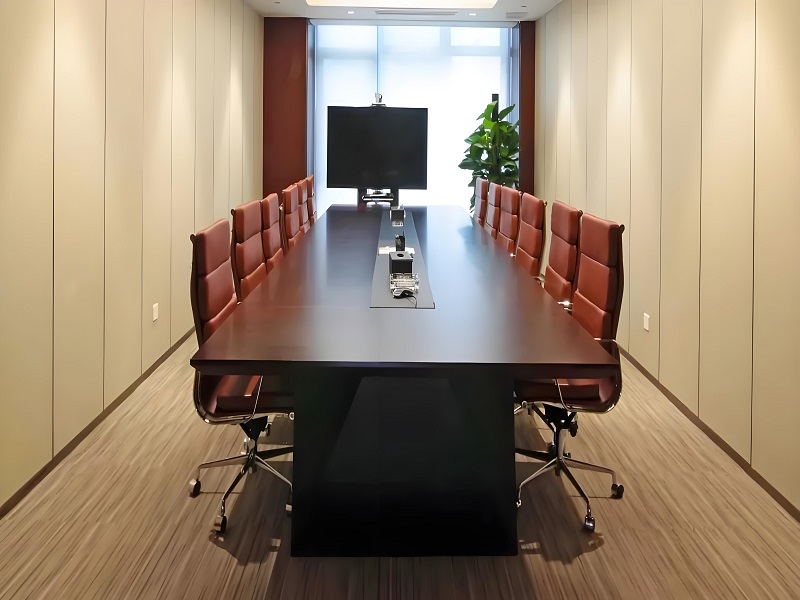
From Design to Implementation: A Complete Analysis of Custom Office Furniture Customization of office furniture has become a hot topic in the modern workplace. Imagine walking into an office space surrounded by furniture that meets your aesthetic and functional needs—wouldn't your work efficiency instantly improve? Today, we'll delve into the entire process of custom office furniture, guiding you through every detail from design to implementation. Step 1: Needs Analysis Before starting any customization project, a needs analysis is essential. This is like designing blueprints before building a house. You need to clarify several key questions: How large is your office space? What functions do you want the furniture to have? What are the employees' usage habits? These will help you make better choices. Imagine if you didn't have clear needs; you might end up buying a lot of unsuitable furniture, wasting money and time. Step 2: Design Phase Once you have the needs analysis, the next step is the design phase. This is the most creative part of custom office furniture. The designer will create a preliminary design based on your needs and space layout. This usually includes sketches and 3D models. At this stage, you can communicate your preferences to the designer, such as color, material, and style. Some people prefer modern styles, while others prefer classic styles. The designer will help you find the perfect balance between functionality and aesthetics. Step 3: Material Selection After the design is finalized, the next step is material selection. The choice of materials directly affects the quality, durability, and appearance of the furniture. There are many materials to choose from, such as wood, metal, plastic, and fabric. Each material has its own advantages and disadvantages. The designer will help you choose the most suitable materials based on your budget and needs. Step 4: Production After the materials are selected, the next step is production. This is where the furniture is actually made. The manufacturer will use the design drawings and material specifications to produce the furniture. This process usually involves several steps, such as cutting, shaping, assembling, and finishing. Step 5: Installation and After-Sales Service Once the furniture is produced, the next step is installation. The manufacturer will send professionals to install the furniture in your office space. After installation, the manufacturer will provide after-sales service, such as maintenance and repair. In summary, custom office furniture involves many steps, from needs analysis to installation and after-sales service. By understanding each step, you can ensure that you get the perfect office furniture for your needs.

16

2024

/

08